
After you file a roof claim, your insurance carrier sends an adjuster to inspect the damage. That visit largely decides what your claim covers. Here is what happens and how to prepare.
Before the Inspection
- Have a roofer inspect first and document the damage with photos.
- Write down the storm date and keep your claim number handy.
- Tell your carrier you want your roofer at the inspection. They will schedule around it.
- Note any interior damage: ceiling stains, leaks, damaged gutters or siding.
During the Inspection
The adjuster checks the roof for hail strikes, wind damage, and missing or creased shingles. They usually mark test squares and count hits. They also look at soft metals like vents, gutters, and downspouts, which show hail damage clearly.
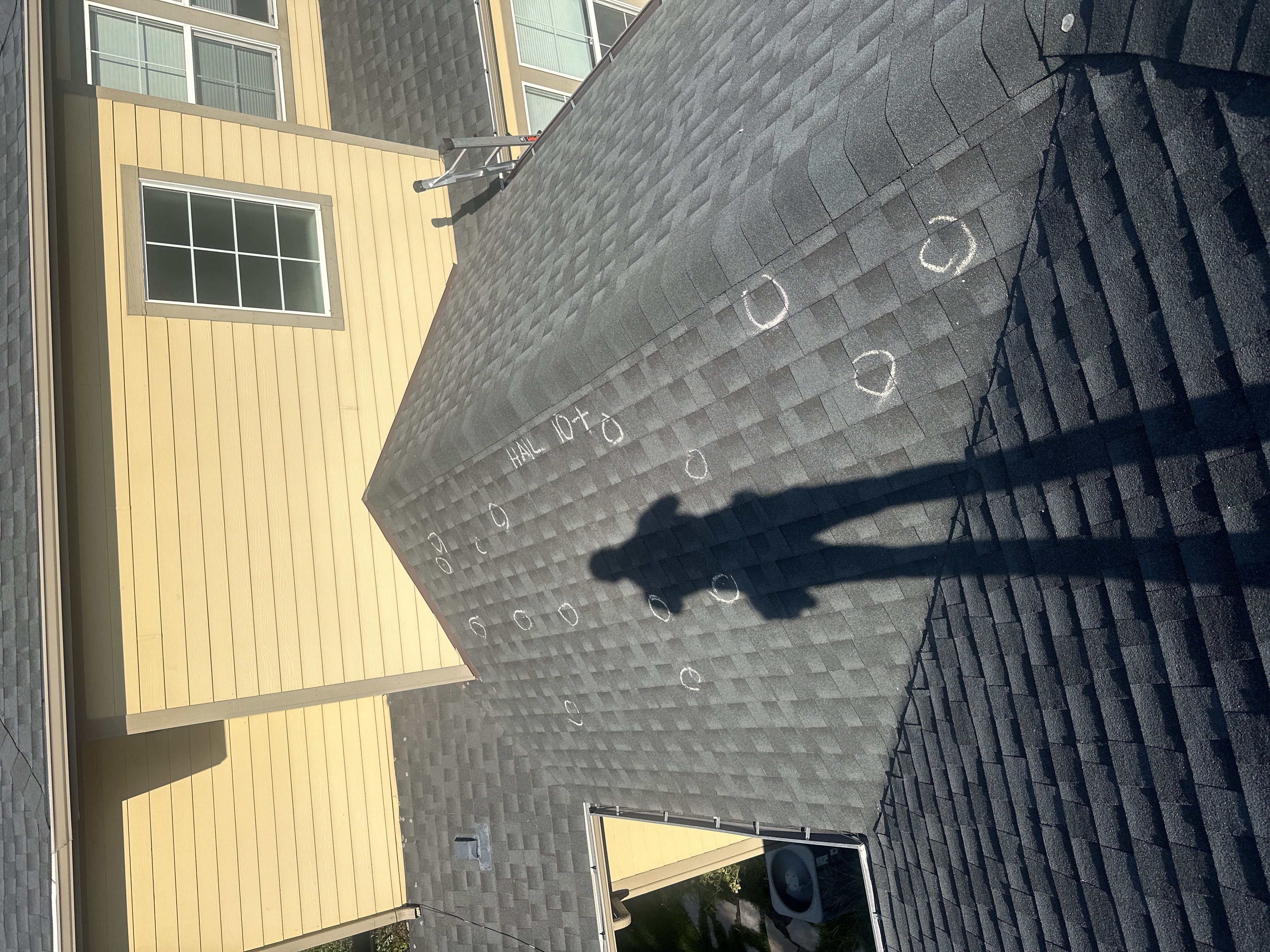
Adjusters cover a lot of roofs after a big storm. Your roofer can point out damage that is easy to miss, discuss code requirements, and make sure items like drip edge, ventilation, and flashing are included in the scope.
After the Inspection
The carrier sends a scope of loss listing what they will pay for. Send a copy to your roofer right away. If something is missing, your roofer can request a supplement with photos and documentation.
Common Mistakes
- Letting the adjuster inspect alone
- Not documenting damage before the inspection
- Signing with a contractor before reading the scope
- Waiting too long to file after a storm
Force 5 meets adjusters on site for our customers. Read our full guide to filing a roof claim in Colorado or schedule a free inspection.

