Most commercial flat roofs in Colorado use one of three single-ply membranes: TPO, EPDM, or PVC. Each one works. The right choice depends on your building, your budget, and what sits on the roof.
TPO
TPO is the most common choice for new commercial roofs. It is white and reflective, which lowers cooling costs, and its seams are heat-welded into a single watertight sheet. It installs quickly over large areas and is usually the most cost-effective option.
- Best for: retail, office, warehouse, multifamily, data centers
- Typical lifespan: 20–30 years
- Strength: energy efficiency and welded seams
EPDM
EPDM is a rubber membrane with decades of track record. It handles Colorado freeze-thaw cycles and UV exposure well and is easy to repair. Seams are taped or glued instead of welded, so detail work matters more.
- Best for: older buildings, re-covers, budget-focused projects
- Typical lifespan: 20–30 years
- Strength: flexibility in cold weather, simple repairs
PVC
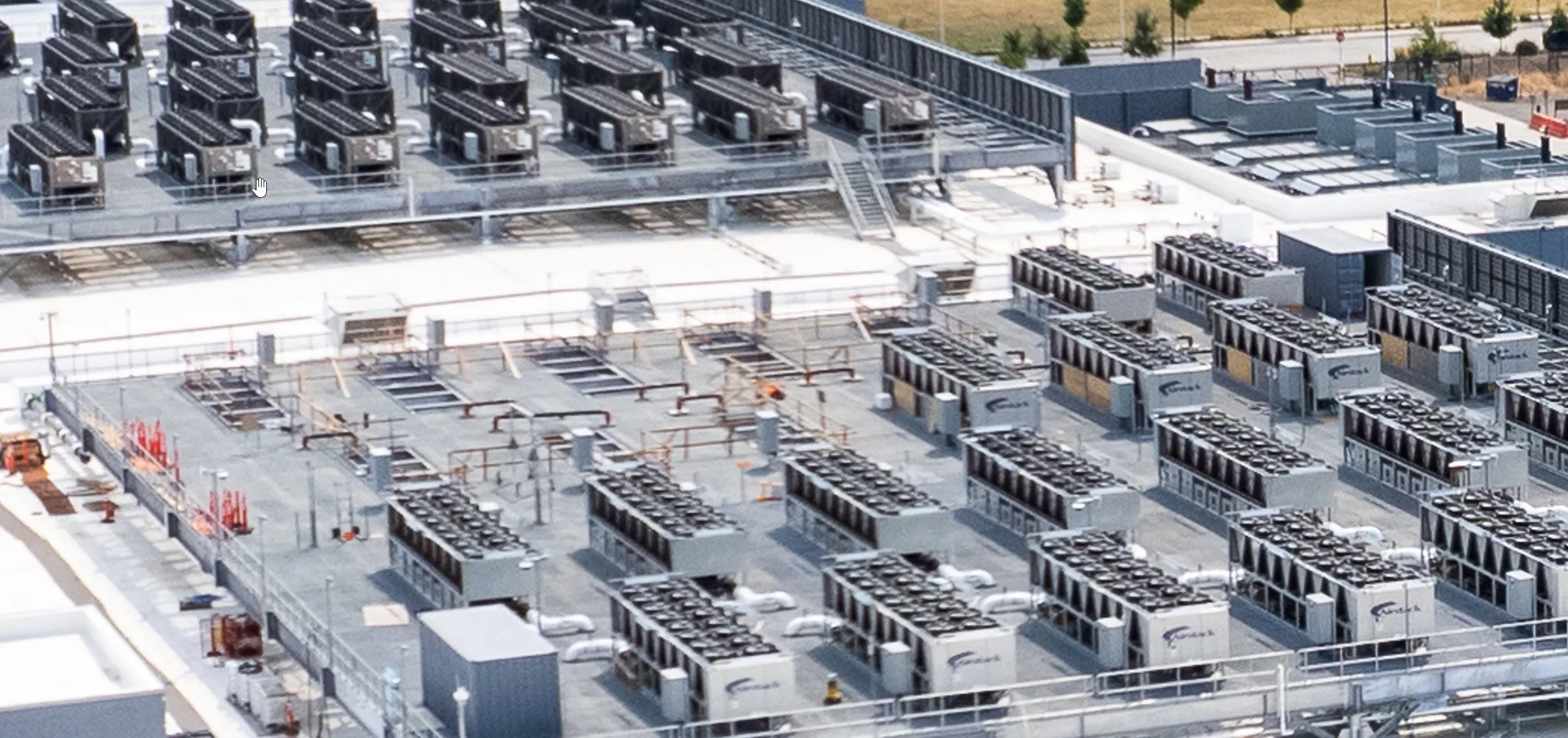
PVC is similar to TPO but more resistant to chemicals, grease, and fire. It costs more, and it is the right call for restaurants, buildings with heavy exhaust, or roofs with a lot of mechanical equipment.
- Best for: restaurants, industrial, chemical exposure
- Typical lifespan: 25–30+ years
- Strength: chemical and grease resistance
Which One Should You Choose?
For most Denver Metro commercial buildings, TPO offers the best balance of cost and performance. EPDM makes sense on some re-covers and older buildings. PVC is worth the premium when the roof sees grease or chemicals. We recommend a system after inspecting the roof, not before.
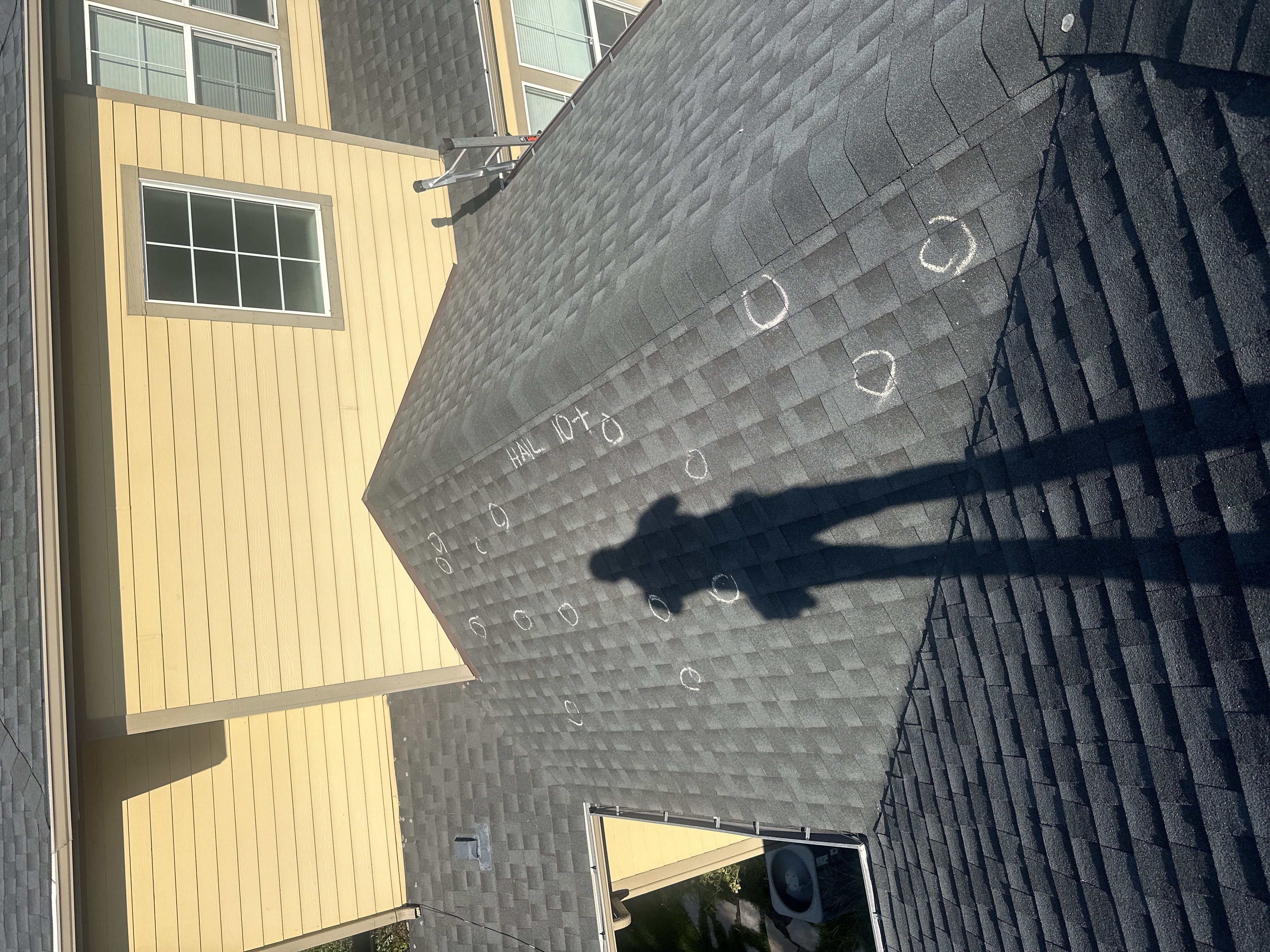
Hail is the biggest threat to flat roofs here. Thicker membranes (60–80 mil) and a cover board under the membrane add real impact resistance.
Want a recommendation for your building? Request a free commercial assessment.